Bramble On (2026)
Directed by Sean Whiteman
No · Ultra Based
How we score movies →Consciousness Markers
While the film avoids preachy speeches, its central conceit about social media destruction functions as a fairly direct allegory with clear moral messaging. The work does possess a certain pedagogical quality, though delivered through metaphor rather than exposition.
The film's critique of social media and algorithmic culture contains implicit anti-capitalist elements, as these systems are fundamentally tied to corporate surveillance capitalism. However, this critique remains implicit rather than explicit, and the film does not articulate a coherent political analysis.
The film features a small cast in a micro-budget production with no apparent deliberate choices about diversity or representation. Casting appears to be based on availability and personal relationships within the filmmaker collective.
No LGBTQ+ themes or representation are evident in the film's premise, plot, or available critical discussion. The work contains no indication of engagement with queer narratives or identity.
The film presents no feminist critique or examination of gender dynamics. The plot centers on a solitary male protagonist confronting an abstract threat, with no apparent engagement with gender politics.
No racial consciousness or interrogation of racial systems appears in the film. The work operates at the level of universal human alienation rather than specific racialized experience.
Climate themes are entirely absent from the film's narrative and thematic concerns. The work makes no commentary on environmental destruction or ecological consciousness.
Body positivity themes are absent. The film contains no engagement with body image, disability representation, or physical diversity as a social justice concern.
No neurodivergent representation or accommodation is evident in the film. The work makes no apparent engagement with autism, ADHD, or other neurodivergent experiences.
The film contains no historical narrative or revisionist historiography. It operates in a contemporary setting without engaging with historical reinterpretation.
Synopsis
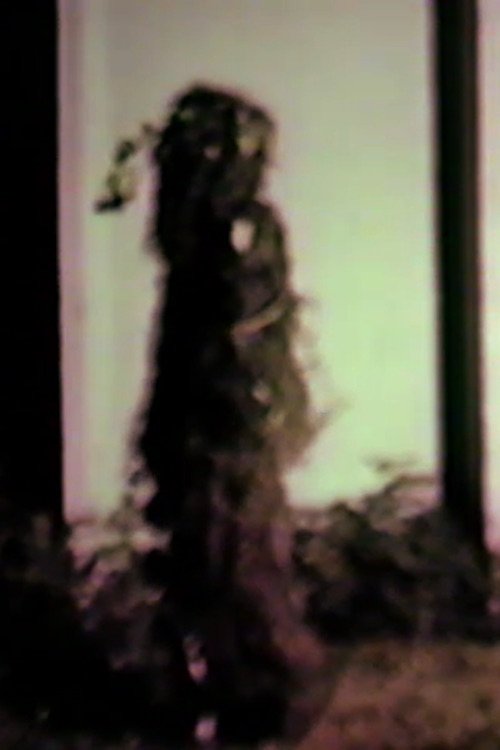
A man confronts the creature living inside his blackberry brambles. He finds the thorns dig deeper than he expected.
Why it received this score
Bramble On represents the sort of micro-budget experimental cinema that circulates through underground festival circuits, and it is precisely the kind of work that demands we examine our assumptions about what constitutes progressive cultural commentary. The film's central metaphor involves social media, specifically the loss of authentic human connection in an age of algorithmic validation. This thematic concern, while certainly contemporary, does not inherently register as a marker of modern progressive sensibilities. The work is more interested in technological alienation as an existential problem than in interrogating power structures or centering marginalized voices.
The film's horror-comedy framework, stripped of social consciousness markers, operates instead as a fairly conventional meditation on the human condition. There is no apparent engagement with representation, identity politics, or systemic critique. The cast is small and the production values are deliberately minimal, which prevents us from assessing whether the creative team has made deliberate choices about representation. The narrative itself lacks the kind of explicit social awareness that would register as contemporary progressive filmmaking. We are not treated to lectures about systemic injustice, nor does the film appear to interrogate its own position within capitalist structures.
What emerges is a work that is genuinely concerned with human alienation, but through a lens that predates the specific cultural markers we now associate with modern progressive cinema. It is a film about disconnection, yes, but not about the interconnectedness of oppression or the need for structural transformation. This is intellectual disengagement dressed in the clothes of artistic minimalism.
Analysis generated by our Consciousness Algorithm