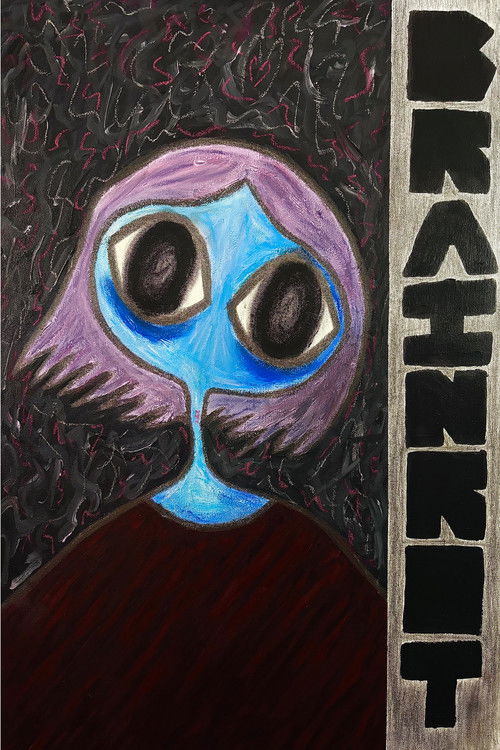
Brain Rot (2026)
Directed by Jay Villalobos
Partly · Woke-Adjacent
How we score movies →Consciousness Markers
The cast appears to feature primarily women in central roles, including the lead character, though limited information prevents confirmation of intentional representation versus narrative convention.
The hikikomori protagonist's extreme social withdrawal could be read as neurodivergence representation, though whether this is treated with sensitivity or exploited for horror effect remains unclear.
The plot involves romantic elements between female characters, which could constitute LGBTQ+ representation if played with sincerity, though the surreal horror context makes thematic intent unclear.
The film's engagement with internet culture and technology critique gestures toward anti-capitalist concerns about attention economy and commodification, though this remains implicit rather than explicit.
Female agency is present in the narrative, but the protagonist is positioned as victim rather than agent, complicated by the experimental nature of the work and uncertainty about intentional feminist framing.
The cast composition suggests some diversity in casting, but there is no evidence of explicit racial consciousness or commentary integrated into the narrative.
The transformation into a CRT device could be read as commentary on bodily autonomy, but there is insufficient information to confirm body positivity as a thematic concern.
The experimental horror approach suggests the filmmakers prioritize atmosphere and surrealism over didactic messaging, avoiding the direct instructional tone common in more overtly progressive cinema.
The film engages with CRT technology as a cultural artifact, but there is no evidence of deliberate historical revisionism in the narrative.
No environmental or climate-related themes are apparent in the available plot description or production information.
Synopsis
A hikikomori girl falls in love with a woman who is secretly trying to turn her into a CRT.
Why it received this score
Brain Rot announces itself as a work of experimental horror interested in contemporary anxieties about technology, social isolation, and internet culture. The premise, involving a hikikomori protagonist and a surreal transformation into an obsolete electronic device, positions the film as a meditation on digital consumption and human connection in the age of compulsive connectivity. The cast appears to feature primarily women in central roles, though the limited information available prevents fuller assessment of whether this represents intentional representation or simple narrative necessity.
The film's engagement with progressive cultural concerns reads as oblique rather than direct. The hikikomori framing invokes Japanese social phenomena that have generated genuine scholarly discourse around mental health and isolation, suggesting the filmmakers are aware of these discussions. The romantic subplot between female characters, if played with sincerity, could constitute LGBTQ+ representation, though the avant-garde nature of the project and the surreal plot mechanics suggest the film may be more interested in metaphor than representation. The choice to deploy "brain rot" as a central concept reflects contemporary discourse about attention economy and cognitive manipulation, though these remain largely descriptive rather than prescriptive.
What prevents a higher score is the absence of explicit social commentary, the film's apparent embrace of experimental obscurity over didacticism, and the lack of evidence that the filmmakers are deploying these elements as vehicles for particular ideological positions. The work engages with concerns that progressive audiences recognize, but it does so through horror genre mechanics and surrealism rather than the direct, pedagogical mode that defines contemporary progressive cinema. Until the film reaches wider distribution, fuller critical assessment remains impossible.
Analysis generated by our Consciousness Algorithm