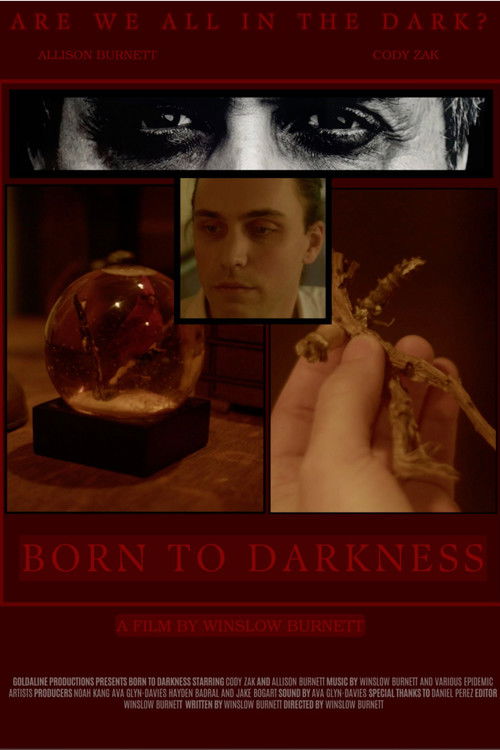
Born to Darkness (2026)
Directed by Winslow Burnett
No · Ultra Based
How we score movies →Consciousness Markers
Minimal cast reflects no apparent diversity strategy or deliberate representation. The film simply features two actors in what appears to be a straightforward casting decision.
The characterization of the professor as domineering or psychotic could tangentially touch on mental health themes, but there is no indication of deliberate neurodivergence representation or celebration.
No LGBTQ+ themes are evident in the available plot synopsis or promotional materials. The narrative centers on paternal control within a family unit.
The film focuses on a male professor and his male sons, with no apparent feminist agenda or commentary on gender dynamics in the available material.
No evidence of deliberate engagement with racial consciousness or racial themes. The film appears to exist outside such frameworks entirely.
Climate concerns are entirely absent from this domestic horror narrative. The story involves interior family dynamics with no environmental commentary.
No anti-capitalist messaging is present. The film centers on personal psychological horror rather than economic or systemic critique.
Body positivity themes are not evident in the premise or available information about the film.
This contemporary horror film contains no historical narrative or revisionist historical claims.
The film appears to be a straightforward horror story focused on suspense and dread, with no apparent preachy or preachy elements.
Synopsis
A domineering professor struggles to keep his sons in the dark.
Why it received this score
Born to Darkness presents itself as a claustrophobic study in paternal tyranny, a psychological horror short that derives its tension from the isolation of its young male subjects. Director Winslow Burnett constructs a narrative around control and secrecy within a domestic setting, the sort of premise that, in less careful hands, could veer toward exploitation. Here, it simply remains a modest exercise in family-based dread, unconcerned with broader cultural commentary or social positioning.
The film's minimalist approach to casting and representation reflects no apparent engagement with contemporary progressive sensibilities. We have two actors working within what appears to be a small-scale production, their roles defined entirely by the story's internal logic rather than by any deliberate effort toward demographic awareness. This is not a criticism so much as an observation: the film exists in a register where such concerns do not apply. It is interested in horror, in the domestic sphere as a site of danger, in the particular malignancy of parental control.
Born to Darkness operates entirely outside the frameworks of modern cultural consciousness. There are no gestures toward climate awareness, no celebration of neurodivergence, no revisionist historical claims, no lecture energy masquerading as narrative. The film is refreshingly neutral, a small horror work content to explore its premise without the burden of cultural positioning.
Analysis generated by our Consciousness Algorithm
Critic Reviews
“In a world where darkness reigns and the line between good and evil blurs, "Born to Darkness" delves into the life of a young woman named Mira, played by Emma Stone.”
“ScreenRant debuted in 2003 and has grown into the largest source of breaking entertainment news & original features for movies, TV, comics, + more!”