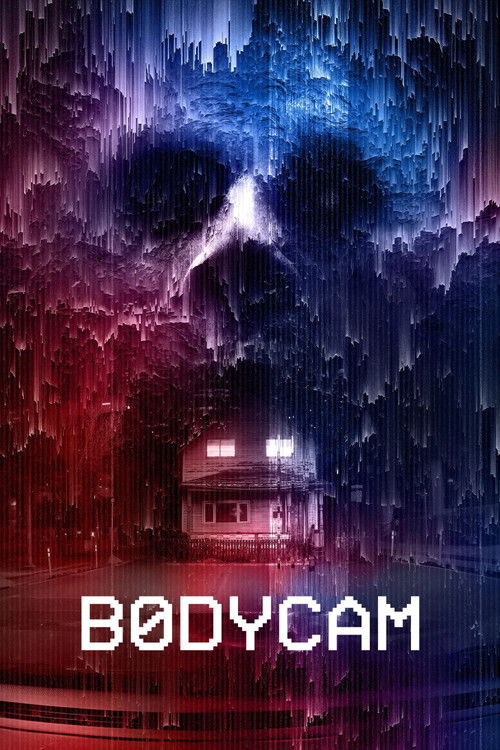
Bodycam (2026)
Directed by Brandon Christensen
No · Based
How we score movies →Consciousness Markers
The film's premise of officers shooting a man and his infant child maps directly onto the contemporary discourse around racialized police violence, and critics explicitly note its engagement with that conversation. The supernatural framing somewhat displaces direct racial commentary, keeping this score moderate.
The cast includes several actors of color in lead and supporting roles, including Jaime M. Callica, Colette Nwachi, and Onyx Shelton. The film does not appear to foreground their identities as a thematic point, but the composition reads as deliberate rather than incidental.
Critics note the film carries commentary on police conduct and bodycam technology as instruments of accountability. The supernatural framing dilutes the sermonizing considerably, but the premise arrives pre-loaded with a thesis that the audience is not expected to debate.
Female characters appear in the cast but the film's central conflict revolves around male officers and a male victim. No feminist framing is evident in the premise or critical reception.
No LGBTQ+ themes, characters, or subtext are present in any available coverage of the film.
No climate or environmental themes are present. This is a suburban supernatural horror film with no ecological dimension.
No anti-capitalist themes are identifiable in the premise, plot, or critical coverage.
Body positivity as a social discourse does not appear in any aspect of this film.
No neurodivergence themes or characters are referenced in any available material about the film.
The film is set in a contemporary suburban context with no historical revisionism involved.


Synopsis
A call to a quiet suburban home unleashes unthinkable carnage when two officers mistakenly shoot a man and his infant child, spiraling the tragedy into a fierce, unrelenting fall into the unknown.
Why it received this score
Brandon Christensen's Bodycam arrives in the horror landscape with a premise so ripped from the contemporary news cycle that the screenplay might have been assembled from push notifications. Two officers respond to a domestic call, shoot a man and his infant child, and are then subjected to a supernatural reckoning of unspecified origin. The film is, in the vocabulary of the genre, a haunting. In the vocabulary of the cultural moment, it is a grievance dressed in a ghost costume.
The found-footage conceit is genuinely clever. Christensen understands that the bodycam as narrative device does double duty: it is both a filmmaking tool and a symbol, the technology society was promised would deliver accountability and which has, in practice, delivered mostly footage. The film's implicit argument is that even when the camera is rolling, truth remains elusive. This is a reasonable observation. It is also the kind of observation that arrives at the multiplex already wearing a tote bag. The racial consciousness marker registers here not because the film screams its politics, but because it doesn't have to. The premise does the work. The supernatural horror then wraps around it like a polite apology for having an opinion.
Where Bodycam earns measured credit is in its restraint. Critics note squandered potential alongside technical efficiency, which is the critical establishment's way of saying the film gestures toward depth without fully committing to the dive. The lecture energy is present but muffled, the social thesis audible beneath the jump scares like a podcast playing in the next room. It is, in the end, a film that wants to say something about police accountability while also wanting to be a horror movie, and it navigates that tension by being moderately successful at both and fully committed to neither. We have seen worse compromises.
Analysis generated by our Consciousness Algorithm