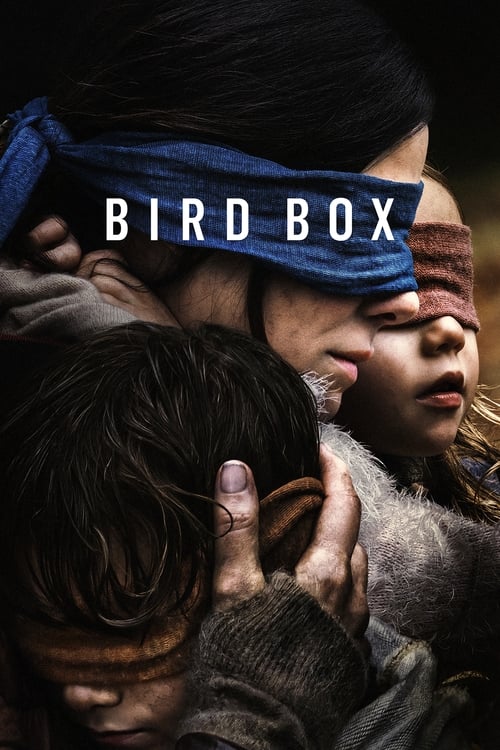
Bird Box (2018)
Directed by Susanne Bier
Partly · Woke-Adjacent
How we score movies →Consciousness Markers
The film centers a female protagonist in an action-survival role typically reserved for men, subverting genre conventions. Bullock's character is valued for her protective instincts and emotional strength, not her appearance. However, feminist analysis remains implicit rather than explicitly articulated.
The film features a diverse supporting cast including Black actors Trevante Rhodes and Lil Rel Howery in substantial roles, alongside Latino actress Rosa Salazar. However, this diversity appears organic to casting rather than deliberately emphasized as a statement.
While the cast includes actors of color, the film contains no explicit racial commentary or consciousness. Racial identity is not foregrounded in the narrative, suggesting a post-racial approach rather than racial awareness.
The film maintains a thriller's momentum and avoids explicit preachiness. Thematic content about motherhood and societal collapse remains embedded in the narrative rather than articulated through dialogue or exposition.
While mental health and trauma responses are central to the plot, the film treats these as survival mechanisms rather than exploring neurodivergence as a distinct identity or experience worthy of representation.
No LGBTQ+ themes, characters, or representation are present in the film.
No climate change or environmental themes are present in the film. The apocalypse is caused by an unexplained supernatural entity, not ecological collapse.
The film contains no anti-capitalist messaging or critique of economic systems. Survival themes are personal and familial rather than systemic.
No body positivity themes or representation of diverse body types are evident. The film does not engage with this marker.
The film is set in a post-apocalyptic present with no historical narrative to revise or reinterpret.


Synopsis
Five years after an ominous unseen presence drives most of society to suicide, a survivor and her two children make a desperate bid to reach safety.
Why it received this score
Bird Box arrives as a post-apocalyptic thriller that has been retrofitted with considerable cultural significance by viewers eager to locate progressive meaning within its blindfolded premise. The film centers Sandra Bullock's character as the sole guardian in a world of chaos, a deviation from typical horror-action fare where such roles are usually reserved for men. Director Susanne Bier, herself an Academy Award winner, constructs a narrative that can be read as an allegory for motherhood, emotional detachment, and the psychological armor women adopt in crisis. The supporting cast includes Black actors Trevante Rhodes and Lil Rel Howery in substantive roles, though their presence operates more as natural casting diversity than as any explicit commentary on representation.
The film's gender-forward positioning carries the most weight in its cultural positioning. Bullock's character is neither sexualized nor punished for her emotional guardedness; instead, her detachment and protective instincts form the emotional core of the narrative. The recurring motif of the character calling her charges "Girl" and "Boy" rather than by names suggests themes of universal motherhood and the stripping away of individual identity in favor of parental duty. Yet this remains largely subtext rather than overt thematic statement. The production avoids lecturing audiences about its female-centered survival narrative.
What limits the film's woke positioning is its fundamental apoliticism. The apocalypse contains no social structure worth examining, no systemic commentary, no explicit interrogation of power dynamics beyond the basic survival instinct. The film treats mental health as a plot device rather than a subject worthy of nuanced exploration. It is essentially a well-crafted genre exercise that happens to center a woman and features diverse casting, without mounting any argument about representation itself. This is neither a liability nor a virtue; it is simply the film's modest ambition.
Analysis generated by our Consciousness Algorithm
Critic Reviews
“If you told me Bird Box was based on a Stephen King story — yep, I could see that. It’s that chilling. That suspenseful. And oh yes, that scary.”
“Bullock’s performance is brilliant — she takes all these internalized fears and crafts a character who has already disconnected from emotion. Throughout the films, she challenges what “maternal” means in circumstances this dire.”
“Bird Box is scary, but it also feels very human. ”
“Implausible even for an overly ambitious sci-fi monster flick, it also begs, borrows and steals every effect, idea and image from other people’s horror movies that were much better the first time around.”