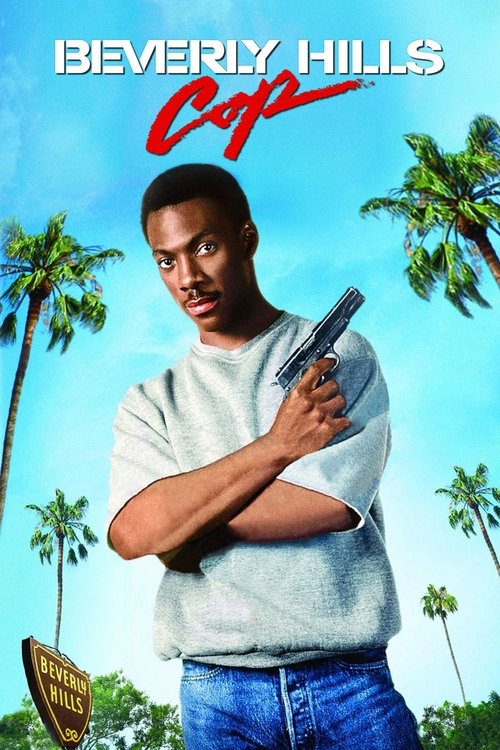
Beverly Hills Cop (1984)
Directed by Martin Brest
No · Ultra Based
How we score movies →Consciousness Markers
Eddie Murphy as the lead protagonist was significant casting in 1984, yet the film treats his race as incidental to the narrative rather than central to its meaning. His character's identity is defined by class and regional origin rather than racial consciousness.
While the film features a Black protagonist navigating a wealthy white environment, it engages with class and cultural difference rather than systemic racial analysis. The humor comes from cultural clash, not from interrogation of racial structures.
Beverly Hills wealth and luxury serve as visual comedy rather than targets of critique. The film does not challenge capitalist systems or question class structures; it simply plays them for laughs.
Female characters exist in peripheral roles, primarily as romantic interests or administrative support. The narrative centers male friendship and male action heroics without any feminist perspective.
The film prioritizes entertainment and comedic momentum over preachy messaging. There is no preachy tone, though some class-based humor carries implicit social observation.
No LGBTQ+ themes, characters, or references appear in the film. The narrative is entirely heteronormative.
No environmental themes or climate-related messaging. The film is indifferent to ecological concerns.
No body positivity themes or messaging. The film contains no commentary on physical appearance or body standards.
No representation of neurodivergence or disability. The film does not engage with these themes.
The film is set in contemporary 1984 and contains no historical narrative or revisionist interpretation of past events.


Synopsis
Fast-talking, quick-thinking Detroit street cop Axel Foley has bent more than a few rules and regs in his time, but when his best friend is murdered, he heads to sunny Beverly Hills to work the case like only he can.
Why it received this score
Beverly Hills Cop arrives as a straightforward action comedy with no apparent interest in social consciousness whatsoever. Eddie Murphy's star power was undeniable in 1984, and his presence as the lead detective naturally integrated a Black protagonist into the action genre at a time when such casting remained noteworthy. Yet the film treats this integration as unremarkable, which is to say it treats it as comedy material rather than as cultural statement. The humor derives from Axel Foley's working-class Detroit sensibility colliding with Beverly Hills wealth and pretension, a clash of registers that the film mines for laughs without interrogating the systems that produce such stark contrasts. The narrative operates in a register of pure entertainment. There is no pause for reflection on class structures, no moment where the film asks us to consider the implications of its own cultural positioning. The female characters exist primarily to react to Foley's charisma. The wealthy white characters are comic foils rather than objects of critique. The film's engagement with difference is performative rather than analytical, which is to say it is precisely what a commercial action comedy should be, and precisely what it should not be if searching for progressive sensibilities. What the film delivers is a document of 1984 entertainment, neither enlightened nor reactionary, simply determined to move forward with its plot and its one-liners. This indifference to social messaging reads as refreshingly innocent, or perhaps as willfully oblivious. We take the film as it presents itself: a cop solving a murder while making audiences laugh, unconcerned with the contemporary social anxieties that would come to preoccupy cinema in later decades.
Analysis generated by our Consciousness Algorithm
Critic Reviews
“In a sense, the film only works because, in the real world, the system is rigged against someone like Axel Foley. Yet when Murphy seizes the screen, all bets are off, resulting in a work of racial subversion that’s both hilarious and cathartic.”
“Beverly Hills Cop is an action movie and an Eddie Murphy vehicle first, but Brest's dramatic intelligence surfaces often enough to make a welcome difference in what could have been an ordinary crowd-pleaser. [13 Dec. 1984, p.35]”
“Beverly Hills Cop finds Eddie Murphy doing what he does best: playing the shrewdest, hippest, fastest-talking underdog in a rich man's world.”
“The whole picture is edited and scored as if it were a lollapalooza of laughs. And, with Murphy busting his sides guffawing in self-congratulation, and the camera jammed into his tonsils, damned if the audience doesn't whoop and carry on as if yes, this is a wow of a comedy. [24 Dec. 1984, p.78]”