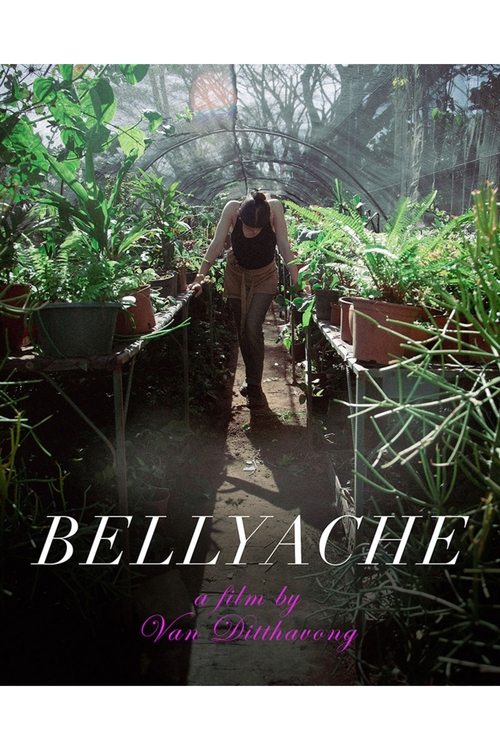
Bellyache (2026)
Directed by Van Ditthavong
No · Based
How we score movies →Consciousness Markers
The film's central focus on pregnancy and bodily transformation inherently engages with bodily experience and acceptance, though not as explicit body positivity activism.
Lead actress Marianne Rendón is Latina, and the film was shot in Costa Rica with diverse cast representation. However, this reflects organic casting and production location rather than explicit diversity mandates.
The film centers female bodily experience and autonomy through its pregnancy narrative and female protagonist, but does not foreground feminist ideology or critique.
While filmed in Costa Rica with Latina representation, the film's central concerns are existential and supernatural rather than explicitly exploring racial themes or consciousness.
As an intimate, introspective work, the film appears to privilege mystery and ambiguity over preachy messaging or explicit commentary.
No LGBTQ+ themes or representation are evident in the film's premise, plot, or available information about the narrative.
No evidence of climate-related themes or environmental messaging in the film's plot or premise.
The film does not engage with capitalist critique or anti-capitalist messaging. Its themes are personal and metaphysical.
No representation of or engagement with neurodivergence is apparent in available information about the film.
The film is set in present day and does not engage with historical narratives or revisionism.
Synopsis
A grieving witch escapes to a cabin alone to give birth. While secluded, she chronicles her story in a journal for her unborn child. But as the delivery nears, mysterious events and visions alter her perceptions of love and sacrifice.
Why it received this score
Bellyache presents itself as a meditative supernatural drama rather than a work of explicit cultural commentary, which is to say it largely resists the contemporary impulse toward preachy social messaging. The film follows a solitary grieving witch navigating pregnancy and loss in isolation, a premise that centers female experience and bodily autonomy without broadcasting these concerns as thematic priorities. Director Van Ditthavong has crafted what appears to be a deeply personal, introspective work shot on 16mm in Costa Rica, with production choices that suggest aesthetic commitment over ideological positioning.
The film's progressive elements are incidental rather than intentional. Marianne Rendón carries the narrative as a complex female protagonist engaged in self-reflection and emotional reckoning, which naturally aligns with contemporary sensibilities around women's stories. The casting includes Latina representation through Rendón, though this reflects her fit for the role rather than any stated diversity initiative. The supernatural fantasy framework allows for exploration of themes related to grief, sacrifice, and bodily transformation, but these emerge as existential concerns rather than social consciousness statements.
What ultimately emerges is a work that exists somewhat outside the framework of contemporary cultural messaging. Bellyache is neither aggressively progressive nor deliberately provocative. It is an intimate chamber piece concerned with interior states and metaphysical questions. For a film so committed to solitude and introspection, the absence of explicit social consciousness feels less like evasion and more like artistic choice. We are left with a movie that trusts its audience to sit with ambiguity and personal mythology, which is its own form of quiet resistance to the demand for clarity.
Analysis generated by our Consciousness Algorithm