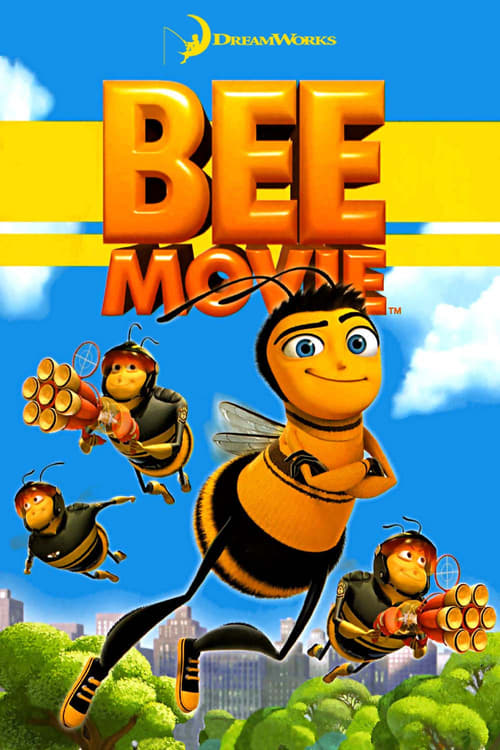
Bee Movie (2007)
Directed by Simon J. Smith
Partly · Woke-Adjacent
How we score movies →Consciousness Markers
The entire narrative centers on environmental exploitation. The film critiques human destruction of bee populations through pesticide use and systemic resource extraction, positioning environmental protection as the moral center of the story.
Barry's lawsuit directly challenges corporate labor exploitation and resource extraction in the honey industry. The film frames this as righteous and exposes workers' rights violations inherent in capitalist production.
The narrative functions as a vehicle for preachy environmental messaging about bee exploitation and ecological destruction. The plot delivers these messages with considerable earnestness and pedagogical intent.
The voice cast includes diverse actors, but their representation feels incidental to the narrative rather than intentional casting activism. The focus remains on bee characters rather than human identity politics.
Vanessa is a female character with agency and career, but the film does not engage with feminist themes. She functions primarily as a romantic interest and plot device.
No LGBTQ+ themes or characters present. The film centers on a heterosexual romance between Barry and Vanessa.
No exploration of racial themes or consciousness. The diverse voice cast does not translate into racialized storytelling.
Not applicable to an animated bee film. No commentary on body diversity or body acceptance.
No representation of or commentary on neurodivergence in the film.
The film creates fictional bee society worldbuilding but does not reinterpret actual historical events.


Synopsis
Barry B. Benson, a recent college graduate who wants more out of his life than making honey, decides to sue the human race after learning about the exploitation of bees at the hands of mankind. What will happen next?
Why it received this score
Bee Movie presents itself as an environmental parable, though one conducted with the narrative coherence of a fever dream. The film's central conceit, a bee suing humanity for exploiting his species, contains genuine anti-capitalist and environmental critique, but it is delivered with the bluntness of a public service announcement translated into children's entertainment. Barry's lawsuit functions as the film's ideological engine, condemning both corporate labor practices and the systematic extraction of natural resources. We are meant to recognize this as righteous indignation, and the film does not burden itself with moral ambiguity on the matter.
The film's environmental consciousness is its only substantial claim to progressive sensibilities. The depiction of bee colony exploitation, pesticide damage, and human indifference to ecological collapse reflects early-2000s environmental activism rather than the more sophisticated intersectional framing that would later characterize contemporary progressive media. The critique is there, but it lacks the cultural specificity and theoretical sophistication that would emerge a decade later. The film treats environmental destruction as a straightforward moral wrong, which is admirable if unsophisticated.
What prevents Bee Movie from scoring higher is the absence of other contemporary progressive markers. The film contains no meaningful exploration of identity, no LGBTQ+ representation, no racial consciousness. The diverse voice cast performs its function and nothing more. The female lead exists as a romantic interest and plot catalyst. We are left with a film that articulates an environmental and labor-focused critique but remains otherwise indifferent to the broader constellation of social justice concerns that would come to define modern progressive cinema. It is, in other words, a period piece of early-2000s activism, well-intentioned and notably sincere in its peculiar way.
Analysis generated by our Consciousness Algorithm
Critic Reviews
“At its relaxed best, when it's about, well, nothing, the slyly comic Bee Movie is truly beguiling.”
“Kids are going to adore looking at this movie, living in it, flying through and above its brilliant landscape. It's an animated joyride over a relief map of Manhattan. I just wish the script was as good as the paint.”
“Bee Movie isn't a B movie, it's a Z movie, as in dizmal.”