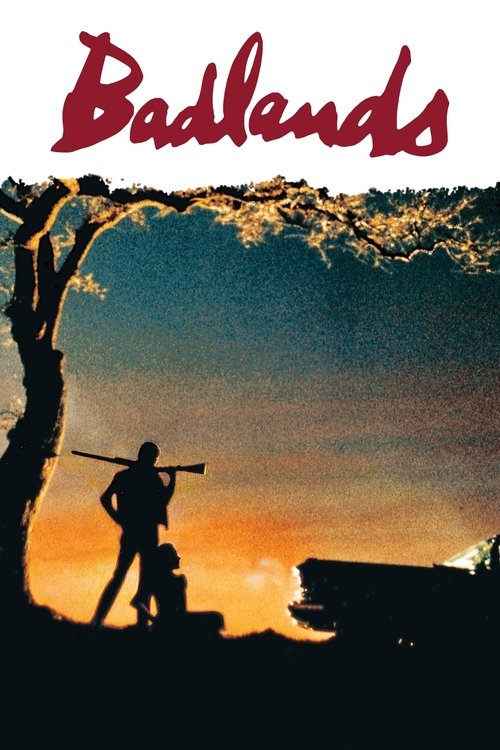
Badlands (1974)
Directed by Terrence Malick
No · Ultra Based
How we score movies →Consciousness Markers
The film centers Holly's subjective perspective and critiques 1950s gender roles and female domesticity from a second-wave feminist artistic standpoint. However, this represents 1970s feminism rather than modern progressive consciousness, and lacks explicit preachy messaging about gender justice.
The film revisits the 1950s from a 1970s perspective, offering a critical view of that era's gender expectations and social conformity. However, the revisionism is artistic and philosophical rather than explicitly corrective of historical injustices.
While the film critiques 1950s consumer culture and suburban conformity, this critique is artistic and thematic rather than explicitly anti-capitalist. There is no systemic critique of capitalism or mobilization around economic justice.
The cast is predominantly white and there is no evidence of deliberate diverse casting for representation purposes. The production reflects standard 1970s Hollywood casting practices without attention to demographic representation.
There are no LGBTQ+ themes, characters, or subtext in Badlands. The narrative focuses exclusively on a heterosexual relationship.
There is no evidence of racial consciousness, representation, or commentary in the film. The narrative does not engage with racial themes or systemic racism.
No climate themes, environmental consciousness, or climate-related messaging appears in Badlands. The landscape is treated aesthetically rather than as an object of environmental concern.
No body positivity themes, representation of body diversity, or commentary on body image standards appear in the film. The bodies on screen are treated as aesthetic objects within Malick's visual composition.
There is no representation of neurodivergence, disability, or neurodiverse characters in Badlands. No such themes are present in the narrative.
Malick's approach is poetic, ambiguous, and aesthetically driven. The film resists preachy messaging, social commentary, or explicit moral instruction. There is minimal lecture energy.


Synopsis
An impressionable teenage girl from a dead-end town and her older greaser boyfriend embark on a killing spree in the South Dakota badlands.
Why it received this score
Terrence Malick's debut is a genuinely accomplished piece of cinema, but one must resist the temptation to retrofit it into contemporary frameworks of cultural analysis. The film centers its narrative through Holly's subjectivity, a choice that was artistically sophisticated and offered a corrective to the male-dominated teen rebellion genre of earlier decades. Sissy Spacek's narration provides interiority to a young female character in ways that aligned with second-wave feminist sensibilities of the early 1970s. However, this represents a different species of consciousness entirely from the modern progressive social justice sensibilities we are tasked with measuring.
The film's critique of 1950s consumer culture, suburban conformity, and parental authority operates at a level of artistic ambiguity and poetic abstraction rather than preachy social messaging. Malick's approach is fundamentally about moral complexity and the aesthetics of alienation, not about affirmative representation or the mobilization of identity categories for political effect. There are no LGBTQ+ themes, no racial consciousness, no celebration of body diversity, no neurodivergent representation, and no climate awareness. The violence and amorality that propel the narrative are treated as tragic and troubling, not as expressions of justified rebellion against oppressive systems.
This is a 1970s art film that happens to center a female perspective and critique patriarchal norms, but these qualities do not constitute modern cultural awareness. The film remains beautiful, enigmatic, and thoroughly unconcerned with the contemporary markers of progressive consciousness. It is a work of genuine artistic vision, which is precisely why it resists easy classification within the frameworks we are asked to apply.
Analysis generated by our Consciousness Algorithm
Critic Reviews
“Refracted through Holly’s naive, emotionally flat narration and Malick’s poetic visual style, this familiar tale is transformed into something strange and oddly beautiful. [29 Aug. 2008]”
“The movie makes no attempt to psychoanalyze its Kit Carruthers, and there are no symbols to note or lessons to learn. What comes through more than anything is the enormous loneliness of the lives these two characters lived, together and apart.”
“Achingly evocative of a time when Hollywood had the courage to invest in complex and morally ambiguous films and an indisputable masterpiece of American cinema. [26 May 2003]”
“There's a basic flaw in Malick's method: he has perceived the movie--he's done our work instead of his. In place of people and action, with metaphor rising out of the story, he gives us a surface that is all conscious metaphor. Badlands is so preconceived that there's nothing left to respond to. [18 March 1974, p.135]”