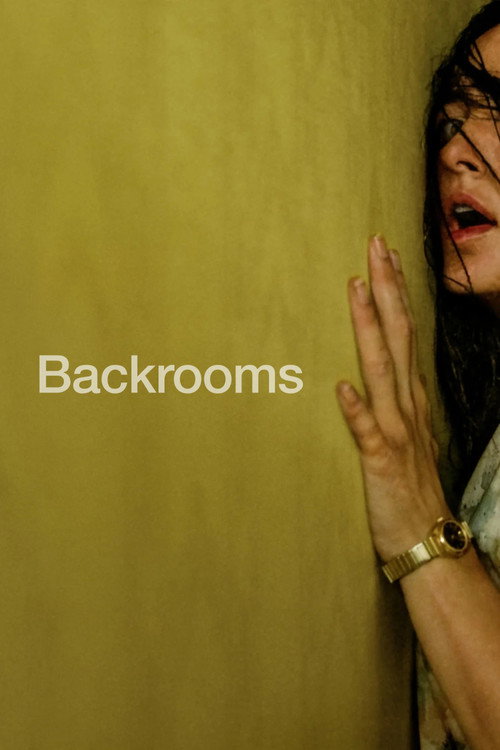
Backrooms (2026)
Directed by Kane Parsons · $194.2M domestic
No · Based
How we score movies →Consciousness Markers
The cast is genuinely diverse, with Chiwetel Ejiofor as the lead, Lukita Maxwell, and Avan Jogia in supporting roles. The diversity reads as considered rather than incidental, though the film is not organized around identity as a plot mechanism.
Chiwetel Ejiofor's casting as Clark, a furniture store owner whose masculinity and interiority are under the microscope, invites some racial dimension to the film's psychological themes. Critics noted reflections on masculinity emerging from his performance, though the film does not foreground race explicitly.
One conservative critic noted the film can be 'overly explicit in its themes,' and the combination of a therapist character, a protagonist in emotional crisis, and an A24 production banner suggests the film occasionally pauses to let its ideas breathe loudly. Not preachy, but earnest in a way that accumulates.
Renate Reinsve's character Mary occupies a position of professional authority as a therapist, and the film's examination of masculinity implies some critique of male emotional avoidance. This is ambient rather than programmatic.
The setting of a furniture showroom, a monument to domestic consumerism, opening a portal to existential dread is a mildly suggestive premise. No overt anti-capitalist messaging is documented, but the symbolism is at least available to a determined grad student.
The film's deep engagement with trauma, therapy, and psychological interiority touches adjacent territory, but no specific neurodivergence representation or framing is documented.
No LGBTQ+ themes, characters, or subtext are documented in available sources. The film's central relationships are heterosexual and framed around marriage and regret.
No climate, environmental, or ecological themes are present or documented. The film is a psychological horror set in a furniture showroom and its liminal spaces.
No body positivity themes or messaging are present or documented in any available source.
The film is not historical in any sense. It is an original horror narrative adapted from an internet-native web series, with no historical revisionism present.
Synopsis
A strange doorway appears in the basement of a furniture showroom.
Why it received this score
A24 has, with some consistency, discovered that the most efficient delivery mechanism for a therapy session is a horror film, and "Backrooms" confirms this hypothesis with the quiet confidence of a man who has already read your intake form. Kane Parsons, adapting his own viral web series on a budget that now includes Chiwetel Ejiofor, takes the internet's favorite liminal fever dream and drapes it in the kind of psychological upholstery that prestige horror critics respond to the way a tuning fork responds to a nearby note. The result is a film about a furniture showroom owner whose basement opens onto infinity, which is either a metaphor for marriage, regret, childhood trauma, or the specific horror of owning a furniture showroom. Possibly all four simultaneously.
Ejiofor anchors the film with the dignified gravity he brings to most things, playing Clark as a man whose interiority is the actual monster. Renate Reinsve, cast as his therapist, ensures that the film's interest in masculinity, emotional avoidance, and the architecture of the unprocessed self is never more than one scene away from being stated aloud. The film's social consciousness is ambient rather than aggressive. It is present the way humidity is present: you don't see it, but you are aware of it, and after two hours you feel slightly damp. A conservative critic called it "overly explicit in its themes" before praising it anyway, which is the critical equivalent of noting that a wine is a little forward on the nose before finishing the glass.
What distinguishes "Backrooms" from simpler genre exercises is its refusal to let the supernatural premise do the emotional heavy lifting alone. The doorway in the basement is genuinely unsettling. The film around it is, depending on your tolerance for psychological interiority delivered through horror scaffolding, either a masterwork of debut filmmaking or a very expensive therapy co-pay. Both assessments are, in their way, correct.
Analysis generated by our Consciousness Algorithm