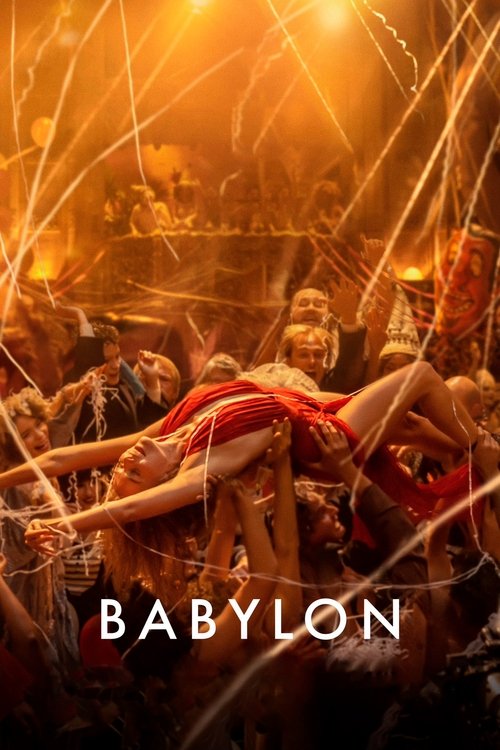
Babylon (2022)
Directed by Damien Chazelle
No · Based
How we score movies →Consciousness Markers
The ensemble cast includes Jovan Adepo in a supporting role and Diego Calva in a lead position, reflecting contemporary casting practices. However, the narrative structure relegates these characters to peripheral importance relative to the white male and female leads, limiting the depth of representation.
The film attempts historical reconstruction of 1920s Hollywood with artistic license, celebrating the era's collaborative cinema while downplaying documented injustices. The ending montage revises history into a triumphalist narrative of artistic progress.
The film depicts the destructive nature of ambition and excess within the studio system, suggesting some critique of capitalist incentives. However, this critique remains personal and psychological rather than structural or systemic.
The film features female characters but primarily through narratives of self-destruction and victimhood. While Margot Robbie's character has agency in certain scenes, the film lacks systemic critique of gender-based exploitation in early Hollywood, instead treating it as inevitable backdrop.
The climactic montage and final scenes carry some preachy weight about cinema history and artistic collaboration, though the film generally relies on narrative and spectacle rather than explicit instruction or moral pronouncement.
The film depicts racial segregation and exclusion in 1920s Hollywood through its narrative and setting but does not engage in explicit critique or exploration of these dynamics. Racial elements are present as historical flavor rather than thematic focus.
No evidence of LGBTQ+ themes or characters with substantive narrative presence. The film does not engage with queer identity or sexuality as a thematic element.
No environmental or climate-related themes present. The film does not address ecological concerns in any form.
No substantive engagement with body positivity themes. The film does not challenge conventional beauty standards or celebrate diverse body types.
No representation or thematic exploration of neurodivergence. The film does not address autism, ADHD, dyslexia, or other neurological differences.


Synopsis
A tale of outsized ambition and outrageous excess, tracing the rise and fall of multiple characters in an era of unbridled decadence and depravity during Hollywood's transition from silent films to sound films in the late 1920s.
Why it received this score
Babylon presents itself as a sprawling critique of Old Hollywood's excesses, yet demonstrates a curious historical amnesia regarding the very systems it purports to examine. The film follows multiple characters through the jazz age of silent cinema, depicting their rises and falls with considerable attention to debauchery and moral corruption. However, the narrative's interest in systemic critique extends primarily to personal weakness and addiction rather than structural injustice, treating the era's racial segregation and sexual exploitation as mere atmospheric details rather than foundational horrors worth interrogating. The result is a film more interested in aestheticizing decline than understanding its causes.
The casting reflects contemporary diversity standards without interrogating historical accuracy or power dynamics. Jovan Adepo's character occupies the film's margins, present but narratively peripheral, a familiar pattern in prestige pictures that acknowledge representation without centering it. The film's treatment of female characters, particularly through Margot Robbie's arc, trades in familiar narratives of female self-destruction rather than exploring systemic barriers with any depth. The production design luxuriates in the visual splendor of the period without extending moral scrutiny to the labor conditions, racial hierarchies, or gender-based coercion that enabled such spectacle.
Chazelle's sensibility remains apolitical, concerned with the artistic process and personal ambition rather than the social machinery churning beneath the surface. The film's climactic montage celebrating cinema's collaborative history flattens historical complexity into visual poetry. This is prestige filmmaking that mistakes stylistic sophistication for substance, offering the language of critique without its demands. It absorbs contemporary sensibilities while resisting any serious engagement with their implications.
Analysis generated by our Consciousness Algorithm
Critic Reviews
“Like the reggae music that pulses through it, Babylon is rich, rough and real. And like the streetlife of the young black Londoners it portrays, it’s threatening, touching, violent and funny. This one seems to explode in the gut with a powerful mix of pain and pleasure. ”
“An English cousin to the earlier Jamaica-set films "The Harder They Come" and "Rockers" that is vastly superior in cinematic terms and just as valuable as a cultural document. ”
“All of that observation in Babylon amounts to something that still feels new. You’re looking at people who, in 1980 England, were, at last, being properly, seriously seen.”
“In short, Babylon is bland and sadly, should be much better. ”