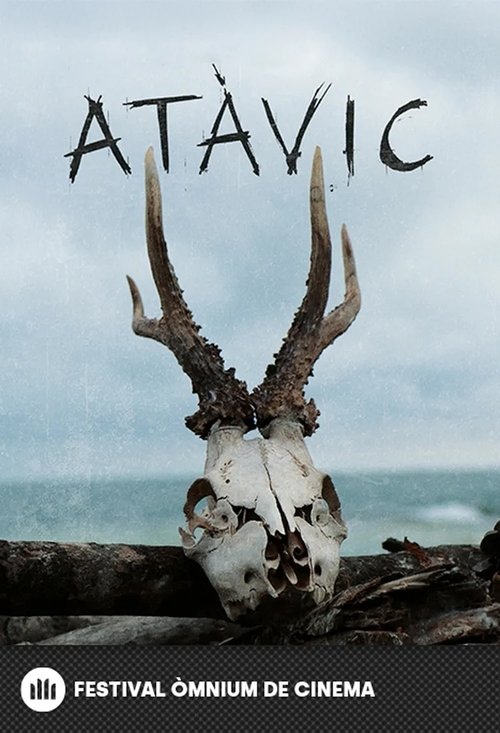
Atàvic (2026)
Directed by Albert Blay
No · Ultra Based
How we score movies →Consciousness Markers
The cast is female-led, which is notable, though there is no evidence this was the product of a deliberate representational agenda. It reads as casting, not a statement.
The presence of female protagonists venturing into a threatening folk-ritual landscape carries faint feminist undertones, but nothing in the available record suggests the film frames this consciously or programmatically.
Folk horror as a genre frequently rehabilitates pre-Christian rural traditions, framing them as legitimate rather than savage. Atàvic appears to operate in this space, though without an explicit revisionist argument.
The ethnographic documentary-within-a-film framing carries a mild whiff of the lecture hall, positioning urban outsiders as the audience's proxy for encountering the rural other. It is more atmospheric device than sermon.
No LGBTQ+ themes, characters, or subtext have been identified in any available material for this film.
No racial consciousness themes are present. The film operates within a Catalan regional context with no documented discourse around race.
No climate or ecological messaging has been identified. The rural setting is atmospheric, not polemical.
No anti-capitalist critique is present or implied. The outsider-vs-community dynamic is horror-coded, not economic.
No body positivity themes are present. This is a folk horror short, not a lifestyle film.
No neurodivergence themes or characters have been identified in any available material.
Synopsis
A group of filmmakers sets out to document an isolated rural community rumored to practice ancient rituals, but their investigation quickly unravels as they encounter something far older and more disturbing than expected.
Why it received this score
Albert Blay's *Atàvic* arrives bearing the full folk horror toolkit: isolated community, ancient rites, urban interlopers with cameras, and the creeping implication that civilization is a very thin coat of paint over something considerably older and less polite. It is a short film from Catalonia, which means it has roughly fifteen minutes to make you feel that the countryside is watching you. It manages this, more or less.
The found-footage-adjacent conceit of filmmakers documenting a rural community does introduce a low-grade ethnographic tension. The outsiders arrive with their equipment and their assumptions, and the film is at least aware that this dynamic exists. This awareness does not tip into a seminar on the ethics of documentary practice, which is the correct decision. The ancient-ritual subject matter skirts the folk horror tradition of treating pre-Christian custom as simultaneously terrifying and more authentic than modernity, a posture that carries faint revisionist undertones without ever committing to an argument. The film is too busy being unsettling to explain itself, which is, again, the correct decision.
On the broader scale of progressive cultural signaling, *Atàvic* is essentially inert. It has a female-led cast and a vaguely atmospheric unease about the relationship between urban observers and rural communities, and that is the full extent of its social curriculum. No lectures are delivered. No systems are interrogated. The ancient evil does not turn out to be capitalism. For a genre that has increasingly found itself pressed into service as allegory, this restraint is, if not exactly a moral achievement, at least a relief.
Analysis generated by our Consciousness Algorithm