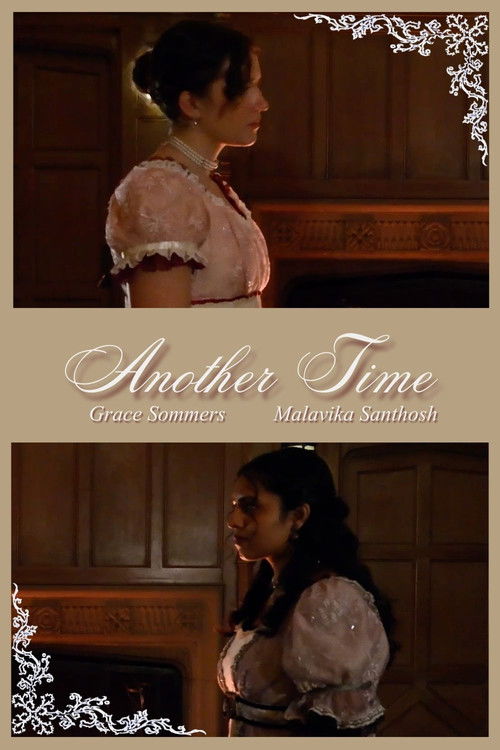
Another Time (2026)
Directed by Sage Welch
Yes · Woke
How we score movies →Consciousness Markers
Central narrative explicitly concerns same-sex female desire and emotional awakening. The plot directly engages with queer identity formation and the rejection of compulsory heterosexuality.
Two female leads with apparent South Asian representation in the cast. Casting appears intentionally diverse, though representation remains within mainstream indie drama conventions.
Female agency is central to the narrative, particularly in the protagonist's rejection of predetermined social roles. However, the feminism appears implicit rather than explicitly examined or theorized.
South Asian representation in casting suggests cultural awareness, but there is minimal indication that race or cultural identity functions as a thematic concern within the narrative itself.
The narrative structure may require some explicit discussion of identity and desire, though the indie drama format typically favors subtle emotional revelation over preachy explanation.
No information available suggesting explicit body positivity themes. The film appears to be a conventional romance drama without particular focus on body representation or acceptance.
The engagement ball setting might suggest critique of wealthy heteronormative institutions, but there is no substantial evidence of anti-capitalist ideology or economic system critique.
No evidence of climate or environmental themes in this intimate romantic drama. The narrative is entirely focused on interpersonal dynamics.
No evidence of neurodivergent representation or themes in the available plot description or casting information.
This is a contemporary drama with no apparent historical setting or revisionist historical elements.
Synopsis
While seeking an escape from her own engagement ball, a woman encounters her closest friend, and long-held feelings come to light.
Why it received this score
Another Time arrives as a modest chamber piece concerned with the internal turbulence of a woman confronting her authentic desires on the precipice of heterosexual obligation. The narrative centers two female leads in a moment of emotional reckoning, which represents a straightforward deployment of contemporary queer cinema's stock scenario: the escape from compulsory heterosexuality through the recognition of same-sex attraction. Director Sage Welch's approach appears to be one of intimate restraint, allowing the drama to unfold through the collision of social expectation and personal truth.
The film's cultural positioning is notably contemporary without being aggressively so. The presence of Malavika Santhosh, an actress of South Asian descent, alongside Grace Sommers suggests a deliberate commitment to representation in casting, though the extent to which this serves the narrative or functions as performative inclusion remains to be determined upon viewing. The setting of an engagement ball provides a convenient metaphor for the constraints of heteronormative social structures, a device that has become somewhat familiar in the genre over the past decade.
What emerges from the available materials is a film that operates comfortably within the established parameters of LGBTQ+ romantic drama, prioritizing emotional authenticity over formal innovation or systemic critique. This is neither a deficiency nor a particular achievement. The work appears to be a sincere exploration of desire and identity rendered through the conventions of intimate indie drama, neither pushing the form forward nor retreating into nostalgia.
Analysis generated by our Consciousness Algorithm