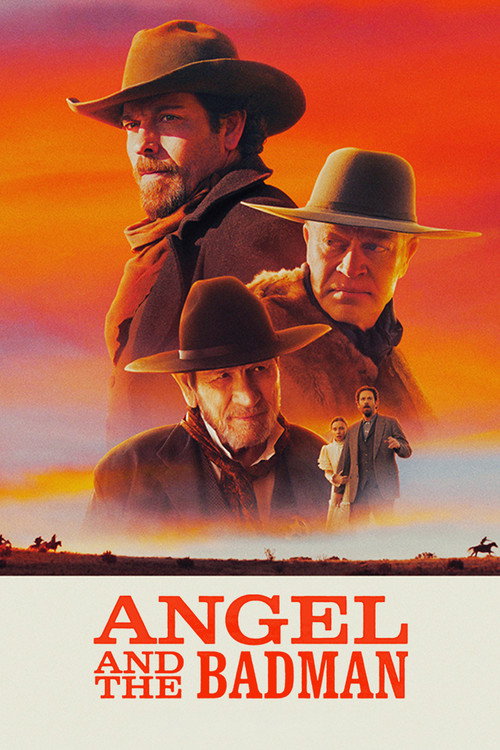
Is Angel and the Badman (2026) Woke?
Angel and the Badman · 2026 · Directed by Julio Quintana · $2.1M domestic
Woke Score
CriticCritic Score
Ultra Based
Critics rated this 37 points above its woke score. Among Ultra Based films, this critic score ranks #1365 of 1501.
Answer: No
Woke Score 4/100 · Verdict: Ultra Based
Strongest markers: Lecture Energy (30) · Representation Casting (5)
Representation Casting
Score: 5/100
The cast includes a small number of non-white actors in supporting roles, though there is no evidence this reflects any deliberate progressive casting agenda. The film's cultural alignment suggests these are incidental rather than programmatic choices.
LGBTQ+ Themes
Score: 0/100
No LGBTQ+ themes, characters, or subtext are present or reported in any source. A faith-based Angel Studios production aimed at evangelical audiences makes the presence of such content essentially structurally impossible.
Feminist Agenda
Score: 0/100
The female lead is a rancher's daughter whose primary narrative function is to offer the outlaw grace and romantic motivation for his redemption. No feminist framing, subverted gender roles, or female empowerment messaging is present.
Racial Consciousness
Score: 0/100
No evidence of racial consciousness as a thematic concern. The film's ideological energy is directed entirely toward Christian faith, redemption, and Second Amendment themes, with no racial justice commentary of any kind.
Climate Crusade
Score: 0/100
A period Western set in the frontier era with no climate or environmental messaging whatsoever. The land is scenery, not a cause.
Eat the Rich
Score: 0/100
No anti-capitalist or class-critique framing is present. The film's conservative cultural DNA makes this marker entirely inapplicable.
Body Positivity
Score: 0/100
No body positivity themes or messaging are present or reported. The subject simply does not arise in any coverage of this film.
Neurodivergence
Score: 0/100
No neurodivergent characters or related themes are present in any available material about the film.
Revisionist History
Score: 0/100
The film does revise the 1947 original, but in a conservative direction, stripping out Quaker pacifism and inserting gun-rights messaging. This is the opposite of the progressive revisionism this marker is designed to capture.
Lecture Energy
Score: 30/100
Multiple critics noted a heavy-handed, sermonizing quality to the film's Christian messaging, with the faith themes delivered with the subtlety of a Sunday bulletin. The lecturing is present, but its ideological content is conservative evangelical rather than progressive, which caps the score.
Synopsis
A wounded outlaw finds unexpected mercy in the care of a rancher's daughter. The hope of love pulls him toward a different life until the law, and his violent past, close in on his new home. Now he must choose the kind of man he'll become.
Why it received this score
Angel Studios, the production house that brought you *Sound of Freedom* and the general aesthetic of a church lobby pamphlet rendered in 4K, here delivers its contribution to the Western canon. *Angel and the Badman* is a remake of the 1947 John Wayne film, a fact the production wears proudly while quietly performing significant surgery on the original's moral architecture. The 1947 version derived its entire thematic engine from Quaker pacifism: a gunfighter undone by the radical gentleness of a family that simply refused to meet violence with violence. The 2026 version, having reviewed this premise, concludes that what the story really needed was a scene where a child learns to shoot an intruder. The critics who noted that the Worth family ultimately receives more instruction in firearms than Quirt Evans receives in grace were not being uncharitable. They were reading the film correctly.
In terms of the progressive social consciousness markers our instrument is calibrated to detect, this film registers essentially nothing. It is not that the film lacks a worldview. It has one, loudly and without apology. It simply points in a direction our equipment was not built to measure. There are no LGBTQ+ themes, no feminist reframings, no racial justice subtext, no climate anxiety, no body positivity, and no neurodivergent representation. The film is culturally legible as a product designed for evangelical audiences who appreciate their Westerns without Quaker complications, and it delivers on that brief with considerable fidelity. Neal McDonough, whose personal policy of refusing on-screen kissing out of devotion to his wife was apparently a marketing asset rather than a casting obstacle, fits this ecosystem perfectly.
The one marker that registers at all is lecture energy, and it registers not because the film is preachy in the progressive sense but because it is preachy in the oldest sense: a story that knows what it believes and intends to make sure you know too. Zachary Levi, promoting the film through Christian media, described it as carrying "the most important story." He was not speaking ironically. The film agrees with him. Whether a Western in which the central pacifist transformation has been replaced by a self-defense shootout constitutes a coherent vehicle for that most important story is a question the film declines to entertain.
Analysis generated by our Consciousness Algorithm
Critic Reviews
“You'd be hard-pressed to cite a twist or turn you didn't see coming a mile away.”
“McDonough and Jones steal the show in this modest western drama.”
“Fans of sagebrush sagas will likely find a lot to like in 'Angel and the Badman,' a reasonably entertaining Western throwback.”
“I hate to say it but this was so boring for me.”
Related rankings
Consciousness Markers
The cast includes a small number of non-white actors in supporting roles, though there is no evidence this reflects any deliberate progressive casting agenda. The film's cultural alignment suggests these are incidental rather than programmatic choices.
No LGBTQ+ themes, characters, or subtext are present or reported in any source. A faith-based Angel Studios production aimed at evangelical audiences makes the presence of such content essentially structurally impossible.
The female lead is a rancher's daughter whose primary narrative function is to offer the outlaw grace and romantic motivation for his redemption. No feminist framing, subverted gender roles, or female empowerment messaging is present.
No evidence of racial consciousness as a thematic concern. The film's ideological energy is directed entirely toward Christian faith, redemption, and Second Amendment themes, with no racial justice commentary of any kind.
A period Western set in the frontier era with no climate or environmental messaging whatsoever. The land is scenery, not a cause.
No anti-capitalist or class-critique framing is present. The film's conservative cultural DNA makes this marker entirely inapplicable.
No body positivity themes or messaging are present or reported. The subject simply does not arise in any coverage of this film.
No neurodivergent characters or related themes are present in any available material about the film.
The film does revise the 1947 original, but in a conservative direction, stripping out Quaker pacifism and inserting gun-rights messaging. This is the opposite of the progressive revisionism this marker is designed to capture.
Multiple critics noted a heavy-handed, sermonizing quality to the film's Christian messaging, with the faith themes delivered with the subtlety of a Sunday bulletin. The lecturing is present, but its ideological content is conservative evangelical rather than progressive, which caps the score.