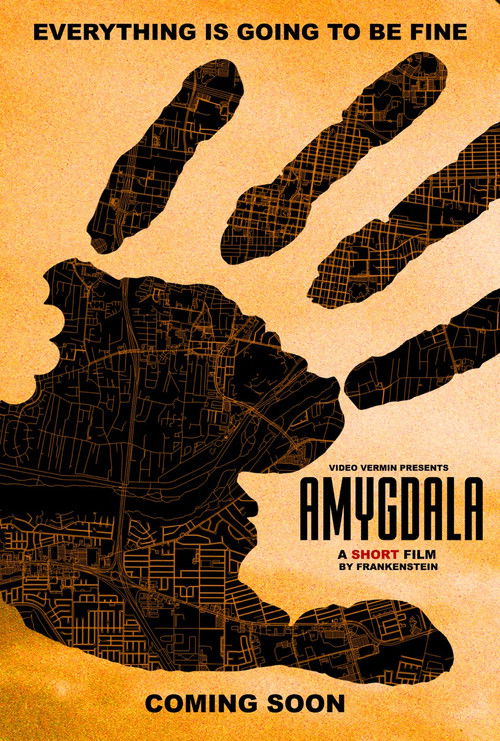
Amygdala (2026)
Directed by William Frankenstein
No · Ultra Based
How we score movies →Consciousness Markers
The cast skews female in its leading roles and includes names suggesting some ethnic diversity, though no documented casting philosophy or diversity mandate can be confirmed from available sources.
The film centers on a female protagonist navigating a violent attack and its psychological aftermath, a structure that could be read as a female-survival narrative, though no overt feminist messaging is documented.
The film's title references the amygdala, the brain's fear-processing center, and its plot involves strange visions and psychological disturbance following trauma, which gestures toward neurological and mental health territory, though no explicit neurodivergence framing is confirmed.
No evidence of LGBTQ+ themes, characters, or subtext has been identified in any available material about this film.
No evidence of racial consciousness themes, commentary, or framing has been identified in any available material.
No climate or environmental themes are present or suggested in the film's premise, genre, or any available promotional material.
No anti-capitalist themes or class commentary have been identified. The film appears to operate entirely within the conventions of psychological horror.
No body positivity themes or messaging have been identified in any available material about this film.
No historical setting or revisionist historical framing is present. This is a contemporary thriller with no apparent engagement with history.
No evidence of sermonizing, message-delivery, or issue-based speechifying has been identified. The film's premise is plot-driven survival horror with no documented ideological agenda.
Synopsis
When Zoe is attacked by a mysterious woman, she begins to experience strange visions. She has only minutes to get help or uncover the mystery behind the madness that surrounds her.
Why it received this score
William Frankenstein, a director whose name sounds like a student film festival dare, delivers with Amygdala a lean psychological horror-thriller about a woman named Zoe who is attacked, begins hallucinating, and must race against time to understand what is happening to her. The premise is economical. The title references the almond-shaped neural structure responsible for processing fear, which is either a sign of genuine thematic ambition or the most on-the-nose title since a hypothetical film called "Frontal Lobe." We report; you decide.
From the available evidence, Amygdala appears to be a largely conventional entry in the female-protagonist survival horror tradition, a genre with its own long and largely ideology-free history. The cast is predominantly female in its leading positions, and the names suggest a degree of ethnic diversity that was either deliberately assembled or simply reflects the demographics of independent film casting in the mid-2020s. The film does not, as far as research can determine, pause to explain itself to the audience. There are no documented moments of a character delivering a speech about systemic anything. The mysterious woman who attacks Zoe does not appear to be a metaphor for late-stage capitalism. This is, in the current landscape, a form of restraint deserving of acknowledgment.
Produced by Video Vermin, a company name that inspires precisely the right amount of confidence in a horror production, Amygdala arrives with a popularity score of 0.33 and zero votes on TMDB, which places it in the distinguished company of films that technically exist. Its social consciousness footprint is similarly modest: a female lead surviving a traumatic attack, a neurologically-flavored title, and a runtime presumably filled with dread rather than discourse. The amygdala, we are told by neuroscience, is where fear lives. It is not, as far as anyone has documented, where progressive messaging lives. On this occasion, the organ has been used for its original purpose.
Analysis generated by our Consciousness Algorithm