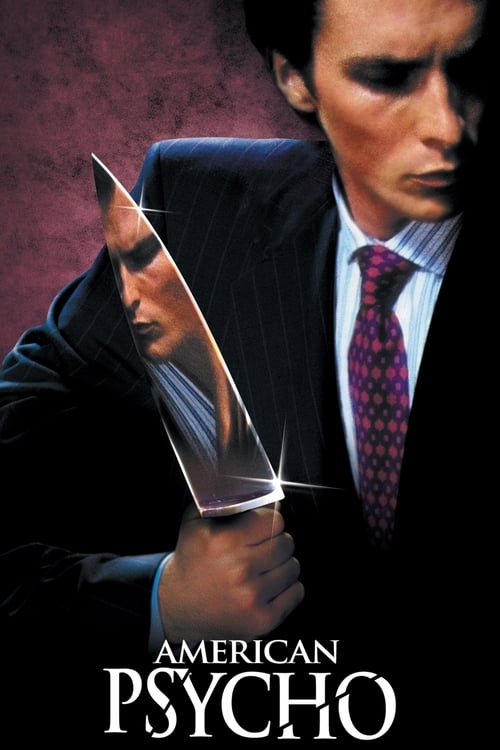
American Psycho (2000)
Directed by Mary Harron
No · Based
How we score movies →Consciousness Markers
The film operates as a scathing critique of 1980s consumer capitalism, corporate greed, and materialism. Bateman's obsession with designer brands and business cards satirizes the emptiness of capitalist values.
Director Mary Harron deliberately reframed the source material as a feminist satire of toxic masculinity and male violence. The film's formal choices expose the pathology of male vanity and violence.
The film features significant female characters but largely objectifies them within the narrative. The cast is uniformly white with no deliberate effort toward diverse representation.
The film's satire is subtle and requires viewer sophistication to appreciate. It trusts audiences to understand the critique without explicit messaging or preachy lectures.
No LGBTQ+ themes, representation, or plot elements are present in the film.
The film presents an all-white Wall Street milieu with no deliberate engagement with racial themes or consciousness.
No climate or environmental themes are present in the film.
The film reinforces conventional beauty standards and objectifies bodies, particularly female bodies, with no body positivity messaging.
While Bateman exhibits psychopathic traits, the film does not engage with neurodivergence as a theme or advocate for representation.
The film is set in the 1980s and does not reinterpret historical events or challenge historical narratives.


Synopsis
A wealthy New York investment banking executive hides his alternate psychopathic ego from his co-workers and friends as he escalates deeper into his illogical, gratuitous fantasies.
Why it received this score
Mary Harron's American Psycho functions as a feminist reclamation of Bret Easton Ellis's novel, transforming what could have been an indulgent celebration of male pathology into a surgical dissection of toxic masculinity and consumer capitalism. The film's formal choices, from its precise editing to its deadpan tone, work in concert to expose the vapidity and violence lurking beneath the designer suits and business card obsessions of 1980s Wall Street. Harron's directorial hand ensures that we laugh at Patrick Bateman's narcissism rather than with it, a crucial distinction that many viewers of the era failed to grasp. The film's critique of corporate greed and male vanity remains caustic and unrelenting, never allowing viewers to settle into comfortable identification with its protagonist.
Where American Psycho falters in contemporary progressive terms is its treatment of female characters as largely passive victims and objects of male desire. While this reflects the material reality of the 1980s world it depicts, the film does not interrogate these dynamics beyond using them as evidence of Bateman's monstrosity. The cast is uniformly white, and the film engages in no deliberate project of racial consciousness or representation. Its approach to social critique, while sharp, remains fundamentally satirical rather than explicitly preachy. We are asked to recognize the satire, but the film offers no alternative vision or solutions.
The satire itself requires a level of cultural literacy that may have limited its progressive impact upon release. The film trusts viewers to understand that the horror is not Bateman's crimes but the system that produces him, the corporate culture that renders all men interchangeable and hollow. This restraint in messaging, while artistically sophisticated, means the film stops short of the kind of explicit social consciousness that contemporary progressive audiences expect. It critiques without quite crusading, satirizes without quite lecturing. For 2000, this represented a significant directorial achievement in reframing a notorious novel through a feminist lens. By contemporary standards, the critique feels incomplete.
Analysis generated by our Consciousness Algorithm
Critic Reviews
“Harron's adaptation of Ellis's novel is brilliant, probably better than the book itself.”
“Most of American Psycho just sits there, looking at trouble, rather than looking for it - complacent, overjoyed in fact to exist at all.”