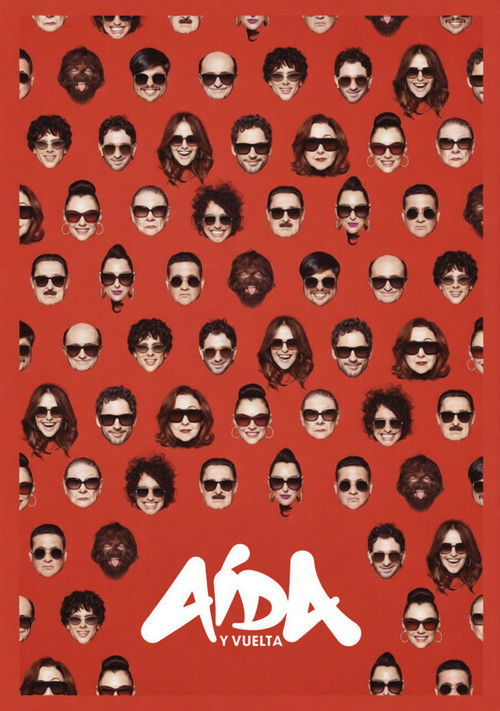
Aida: The Movie (2026)
Directed by Paco León
No · Based
How we score movies →Consciousness Markers
The film features a mixed-gender ensemble cast built around Carmen Machi as the lead, continuing the original series' focus on a female protagonist. However, this reflects the source material rather than a contemporary commitment to representation.
The film's focus on the mechanics of comedy production, actors' labor, and the limits of commercial comedy suggests some critical engagement with the entertainment industry, though this appears more reflexive than explicitly anti-capitalist.
The original series centered a divorced woman navigating Madrid life, which carries some progressive gender consciousness for 2005. The film's meta-commentary on comedy and its limits may implicitly engage with this legacy, but the emphasis appears more on production mechanics than feminist ideology.
As a meta-sequel examining the legacy of a defunct series, the film engages with its own cultural history, potentially reassessing the original show's meaning and impact. This is moderately reflexive without being explicitly revisionist.
The film's engagement with the 'limits of comedy' and the work of comedians suggests some preachy element about comedy's social responsibilities, but this appears tempered by the meta-comedic approach.
Set in Madrid with a Spanish cast, the film shows no apparent engagement with racial or ethnic consciousness beyond its local context.
No evidence of LGBTQ+ themes or representation in the available information about the film or its source material.
No evidence of climate-related themes or environmental messaging in this meta-comedy about television production.
No specific information indicates the film addresses body positivity or challenges conventional beauty standards, though the original series may have included diverse body types.
No evidence of neurodivergent representation or themes in the available information about the film.
Synopsis
The film deals with the filming of an episode of the series with storylines that take place both within the fiction with the characters of 'Aída' and outside of it with the actors themselves and their relationships, which reflects on topics such as the limits of comedy, the work of a comedian and fame.
Why it received this score
Aida: The Movie arrives as a self-conscious monument to its own obsolescence, a meta-sequel that examines the machinery of Spanish television comedy with the gravity of an insurance adjuster reviewing a claim. Director Paco León has constructed a film that exists primarily to discuss itself, blurring the line between the fictional world of the long-defunct sitcom and the backstage reality of its production. The result is a work of considerable cultural navel-gazing, the sort of project that assumes its audience shares a deep affection for a television series that ended over a decade ago.
The film's engagement with the "limits of comedy" and the labor of comedians suggests a vague interest in examining entertainment industry dynamics, though the execution appears more celebratory of the original series than genuinely critical of its constraints. There is a faint pulse of reflexivity here, a sense that the filmmakers recognize comedy carries some social weight, but this sensibility remains largely inchoate. The meta-narrative structure allows for some commentary on the relationship between television and cinema, between fiction and the lives of performers, yet the film seems content to document these tensions instead of interrogating them with any particular ideological commitment.
The project offers moderate progressive sensibilities inherited from its source material, particularly in its centering of a female protagonist navigating urban life, but these elements feel inherited rather than actively championed. For viewers not already emotionally invested in the original Aida, this amounts to an elaborate inside joke told with the earnestness of a retrospective exhibition.
Analysis generated by our Consciousness Algorithm