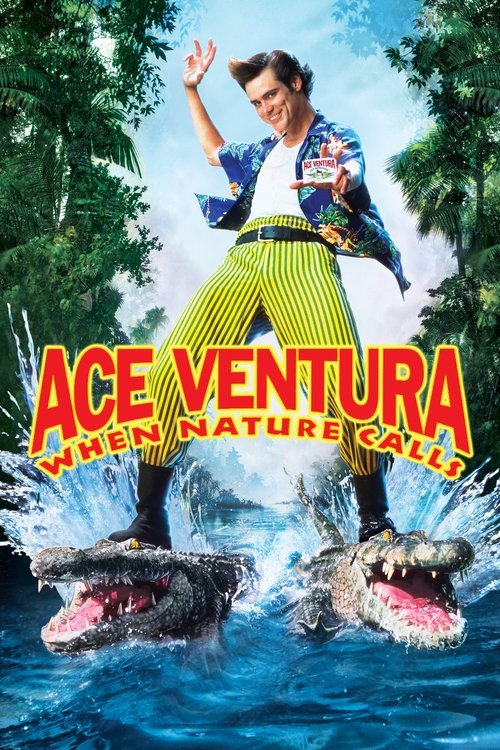
Ace Ventura: When Nature Calls (1995)
Directed by Steve Oedekerk
No · Ultra Based
How we score movies →Consciousness Markers
The film casts Black and African actors in roles as tribal members, but these characters exist primarily as exotic props rather than fully realized individuals with agency and depth.
While the film features actors of color, it treats African culture as an exotic backdrop for comedy rather than engaging with racial themes in any substantive way.
No LGBTQ+ themes, representation, or subtext are present in the film.
The film contains no discernible feminist themes or critique of gender dynamics.
No climate-related messaging or environmental consciousness is present in the film.
The film contains no anti-capitalist critique or commentary on economic systems.
No body positivity messaging is present in the film.
No representation of or engagement with neurodivergence is evident in the film.
The film contains no historical narratives or revisionist history elements.
The film makes no attempt at preachy messaging or moral instruction.


Synopsis
Summoned from an ashram in Tibet, Ace finds himself on a perilous journey into the jungles of Africa to find Shikaka, the missing sacred animal of the friendly Wachati tribe. He must accomplish this before the wedding of the Wachati's Princess to the prince of the warrior Wachootoos. If Ace fails, the result will be a vicious tribal war.
Why it received this score
Ace Ventura: When Nature Calls operates almost entirely outside the framework of contemporary progressive cultural consciousness. Released a full generation before the emergence of the cultural preoccupations that define modern social awareness, the film is a relic of a period when such considerations simply did not factor into mainstream comedy production. The film's depiction of African tribal culture is cartoonish and reductive. The Wachati and Wachootoos tribes exist primarily as props for comedic set pieces, rendered through exaggerated physical humor and stereotyped cultural markers. The cast includes African and Black actors, but their roles are defined by their status as inhabitants of an exotic locale rather than as characters with genuine interiority. The film makes no apparent effort to treat their cultures with anything resembling specificity or respect. This represents not progressive representation but rather the casual orientalism typical of 1990s Hollywood comedy. There is no discernible engagement with feminist themes, LGBTQ+ representation, body positivity, neurodivergence, climate consciousness, anti-capitalist critique, or revisionist history. The film is a straightforward animal-rescue comedy that exists in a cultural vacuum. One searches the film in vain for evidence of modern progressive consciousness. What remains instead is a time capsule of 1990s comedy sensibilities, where representation meant simply casting actors from the relevant group without interrogating the nature of their roles. This is not a film attempting progressive messaging and failing, nor one that engages with these themes critically. It simply predates the entire discourse.
Analysis generated by our Consciousness Algorithm
Critic Reviews
“Written and directed by Steve Oedekerk, the latest "Ace" has a little more of everything than the first: more special effects, goofy props and "Airplane"-like sight gags.”
“This sequel to 1994's surprise blockbuster is shamelessly stupid, willfully juvenile and generally just plain gross -- which is, after all, the point.”
“But, like Jerry Lewis, and, to a degree, Steve Martin, Carrey can make the idiotic seem inspired, and his manic mugging creates some big laughs.”
“Wearying, stupefying, dumber than dumb, When Nature Calls would be a career ender for Carrey--except that a zillion people have seen it. Stop this, folks. It'll only encourage him.”