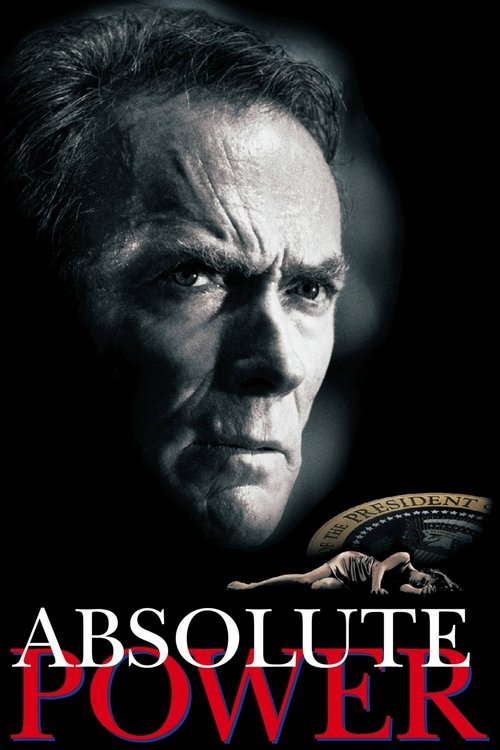
Absolute Power (1997)
Directed by Clint Eastwood
No · Ultra Based
How we score movies →Consciousness Markers
Mild skepticism toward presidential/governmental corruption, but this reflects libertarian distrust of centralized power rather than anti-capitalist ideology or systemic critique.
The cast includes Dennis Haysbert and other minority actors in professional roles, reflecting 1990s baseline diversity without intentional progressive casting or commentary.
Minimal preachy tone; the film is primarily a plot-driven thriller without significant expository speeches about social issues or progressive values.
No evidence of LGBTQ+ themes, characters, or representation in the film.
Female characters exist within conventional plot functions tied to male characters, with no examination of gender politics or feminist themes.
No engagement with racial dynamics, institutional racism, or racial consciousness beyond the presence of minority actors fulfilling genre roles.
No environmental or climate-related themes present in the film.
No engagement with body positivity, disability representation, or body image commentary.
No representation of neurodivergent characters or themes related to neurodiversity.
The film makes no attempt to reexamine historical narratives or challenge conventional historical understanding.


Synopsis
A master thief coincidentally is robbing a house where a murder, in which the President of the United States is involved, occurs in front of his eyes. He is forced to run, while holding evidence that could convict the President.
Why it received this score
Absolute Power arrives as a political thriller of the pre-9/11, pre-woke variety, interested primarily in the mechanics of its heist-meets-scandal plot rather than any systematic interrogation of power structures or social hierarchies. Clint Eastwood directs himself as Luther Whitney, a career burglar who stumbles upon presidential misconduct, and the film treats this discovery as a conventional narrative obstacle rather than an opportunity to examine systemic corruption or institutional violence. The story unfolds with the tidy moralism of a network procedural: the protagonist does the right thing, the guilty are punished, order is restored. There is no interrogation of whether such systems deserve restoration.
The cast includes Dennis Haysbert in a supporting role, lending the film a baseline of professional diversity that reflects 1990s Hollywood convention rather than deliberate progressive casting. His character functions as a competent Secret Service agent without commentary on race, institutional racism, or power dynamics beyond the immediate plot. Laura Linney and Judy Davis provide female characters whose agency is entirely circumscribed by their relationships to the male leads. The film contains no evident engagement with gender politics, sexual orientation, environmental consciousness, neurodivergence, or the other contemporary markers of progressive sensibility. It is, in short, the work of a director and studio content to entertain within existing frameworks rather than challenge them.
What intellectual ambition the film possesses centers on old-fashioned themes of individual integrity against institutional corruption, a framework that predates modern progressive cinema by decades. Eastwood's Luther Whitney is presented as a man of principle precisely because he acts alone, outside systems, a rugged individualist rather than someone advocating structural change. The film's skepticism toward presidential power is libertarian rather than progressive, rooted in a suspicion of centralized authority rather than a critique of how that authority is distributed along lines of race, gender, or class. By the standards of 2020s cultural consciousness, Absolute Power remains resolutely indifferent.
Analysis generated by our Consciousness Algorithm
Critic Reviews
“A first-rate thriller about arrogance at the top.”
“Eastwood is at his effortless, slyboots best and the film is as preposterous as it is delightful.”
“Promises to speed up the pacemakers of grumpy old Republicans with its ruthless indictment of the unzipped presidency.”