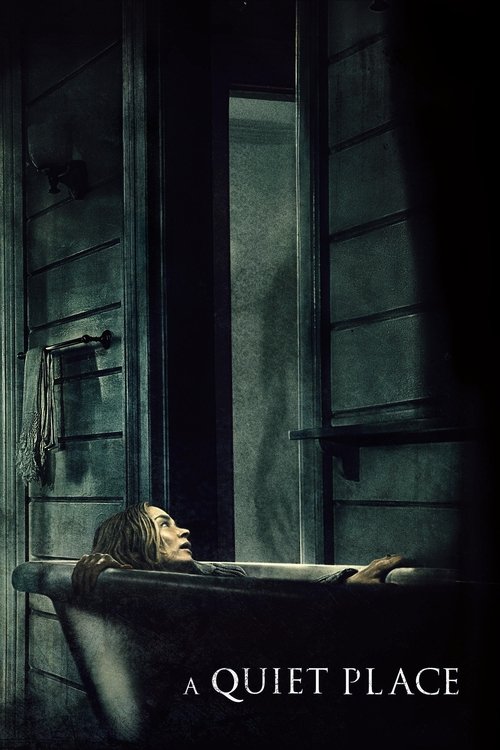
A Quiet Place (2018)
Directed by John Krasinski
Partly · Woke-Adjacent
How we score movies →Consciousness Markers
Authentic deaf representation through Simmonds' casting and natural integration of American Sign Language into the narrative demonstrates genuine neurodivergent inclusion.
Millicent Simmonds authentically cast as deaf character Regan, representing genuine neurodivergent casting rather than able-bodied actors playing disabled roles.
Emily Blunt's character is defined almost entirely by motherhood and protection, with minimal personality or agency independent of her maternal role.
No LGBTQ+ themes, characters, or representation present in the film.
The film features an all-white family and presents no racial themes or diversity considerations.
No climate or environmental themes present in this alien invasion narrative.
No critique of capitalism, wealth inequality, or economic systems explored.
Body positivity and body image issues are not addressed in the film.
The film is set in a fictional alien apocalypse with no historical revisionism or reinterpretation of past events.
The film does not lecture about social issues or attempt to educate audiences on progressive themes.


Synopsis
A family is forced to live in silence while hiding from creatures that hunt by sound.
Why it received this score
A Quiet Place arrives as a technically proficient horror exercise that, despite its merits as cinema, remains largely indifferent to the constellation of progressive sensibilities that have come to define contemporary cultural discourse. The film's central conceit, a family navigating an alien apocalypse in enforced silence, offers no commentary on systemic inequality, environmental collapse, or the economic structures that might have prevented such catastrophe. John Krasinski's screenplay, co-written with Scott Beck and Bryan Woods, concerns itself almost entirely with familial survival and parental anxiety, themes that predate the current cultural moment by decades.
The film's most substantive claim to progressive credentials rests on its casting of Millicent Simmonds, a deaf actress, in the role of Regan Abbott. This represents genuine neurodivergent representation, with Simmonds bringing authentic deaf sensibility to a character whose deafness is not played for sympathy or inspiration porn. The film incorporates American Sign Language naturally into its narrative, and Krasinski reportedly fought to ensure this casting rather than hiring an able-bodied actress. This is commendable, though it functions primarily as an artistic choice that serves the film's formal constraints rather than as an explicit statement about disability justice or systemic ableism.
Beyond this single marker, the film offers little to satisfy those seeking contemporary progressive sensibilities. Emily Blunt's character exists almost entirely in service to her role as protector and nurturer, with critics noting her near-total absence of interiority beyond maternal function. The film presents no racial diversity, explores no queer dynamics, engages in no critique of power structures, and lectures about nothing. It is, in essence, a craftsman's work of genre entertainment that happened to make one thoughtful casting decision, a choice that elevates it marginally above complete cultural neutrality but scarcely constitutes evidence of deeper ideological commitment.
Analysis generated by our Consciousness Algorithm
Critic Reviews
“A Quiet Place is full of fabulous, virtuoso action set pieces, but mere hours after seeing it, what I’m already flashing on the most are the ways in which each member of this family, children and adults alike, tries to carry the weight of their central burden, which isn’t fear and dread, but guilt and grief, two monsters no third act plot twist can ever quite vanquish.”
“The pleasures of this story are the pleasures of watching people think, quickly but methodically, through a situation. To the very end, where a different picture might have devolved into a routine bloodbath, the movie clings to its intelligence like a protective amulet; it keeps the viewer in a state of heightened alertness throughout.”
“As a celebration of the physical expressiveness and visual storytelling of silent cinema, A Quiet Place speaks volumes without a word being uttered. ”
“My favorite moment, an encounter between Regan and one of the monsters in a cornfield, plays with sound and image and tension, creatively. Other bits are more shameless.”