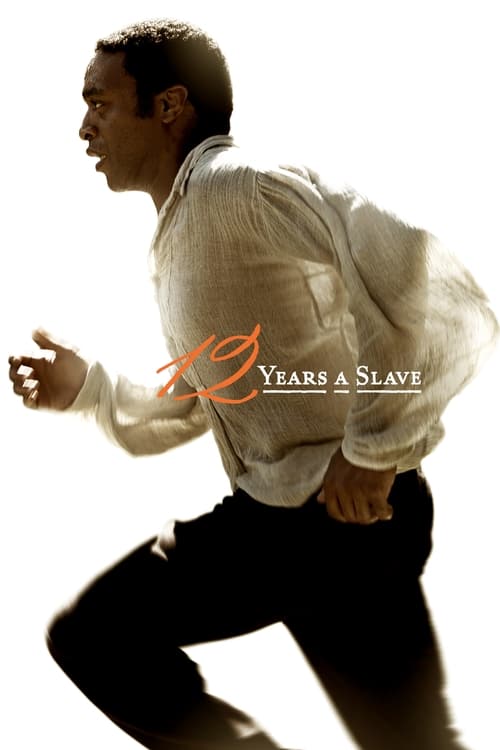
12 Years a Slave (2013)
Directed by Steve McQueen
Partly · Woke-Adjacent
How we score movies →Consciousness Markers
The entire film examines slavery, racism, and dehumanization of Black people as central concerns, though this emerges from historical subject matter rather than contemporary social commentary.
Black actors in central roles and groundbreaking production team, though this reflects historical accuracy of the source material rather than contemporary casting choices meant to signal progressive values.
While dealing with serious moral themes, the film generally shows rather than tells, though some scenes approach preachy clarity about slavery's moral evils.
The film critiques the slave economy and plantation owners' exploitation, but this critique is historical rather than a contemporary anti-capitalist statement.
The film presents a straightforward adaptation of a primary historical source without attempting to reinterpret or revise history through a contemporary progressive lens.
Female characters possess agency and complexity, but feminist themes are not foregrounded as a primary concern of the narrative.
No LGBTQ+ themes, representation, or subtext present in the film.
No environmental or climate themes present in the film.
No body positivity messaging or themes present in the film.
No representation of neurodivergent characters or exploration of neurodivergence themes.


Synopsis
In the pre-Civil War United States, Solomon Northup, a free black man from upstate New York, is abducted and sold into slavery. Facing cruelty as well as unexpected kindnesses Solomon struggles not only to stay alive, but to retain his dignity. In the twelfth year of his unforgettable odyssey, Solomon's chance meeting with a Canadian abolitionist will forever alter his life.
Why it received this score
Steve McQueen's adaptation of Solomon Northup's memoir presents a historical drama of considerable moral weight, yet its progressive credentials rest primarily on production choices rather than thematic content. The film's centering of Black actors in leading roles and its status as the first Best Picture directed by a Black filmmaker and written by an African-American screenwriter represent institutional recognition of previously excluded voices. However, these achievements, while significant, reflect the film's position as historical document rather than contemporary social intervention. The narrative unfolds as a straightforward account of slavery's brutality and its psychological toll on the enslaved, depicting trauma with unflinching intensity but without the apparatus of modern progressive commentary. Chiwetel Ejiofor's Solomon retains his dignity through suffering, a classical narrative arc rather than a revisionist examination of power structures. The film succeeds as a harrowing portrait of American slavery and as a corrective to cinema's historical erasure of Black experiences, but it does not attempt to reframe history through a contemporary lens or to interrogate systems beyond the plantation itself. What emerges is powerful moral seriousness, which we must distinguish from the specific cultural markers of early 2020s progressive sensibility. The work stands as a watershed moment for representation in prestige cinema, yet its power derives from historical authenticity and emotional truth rather than social consciousness signaling.
Analysis generated by our Consciousness Algorithm
Critic Reviews
“More than a powerful elegy, 12 Years a Slave is a mesmerizing triumph of art and polemics: McQueen turns a topic rendered distant by history into an experience that, short of living through the terrible era it depicts, makes you feel as if you've been there.”
“Though the film brims with memorable characters, the show ultimately belongs to Ejiofor, who upholds the character’s dignity throughout.”
“Stark, visceral and unrelenting, 12 Years a Slave is not just a great film but a necessary one.”
“Steve McQueen's film practically treats Solomon Norhtup as passive observer to a litany of horrors that exist primarily for our own education.”